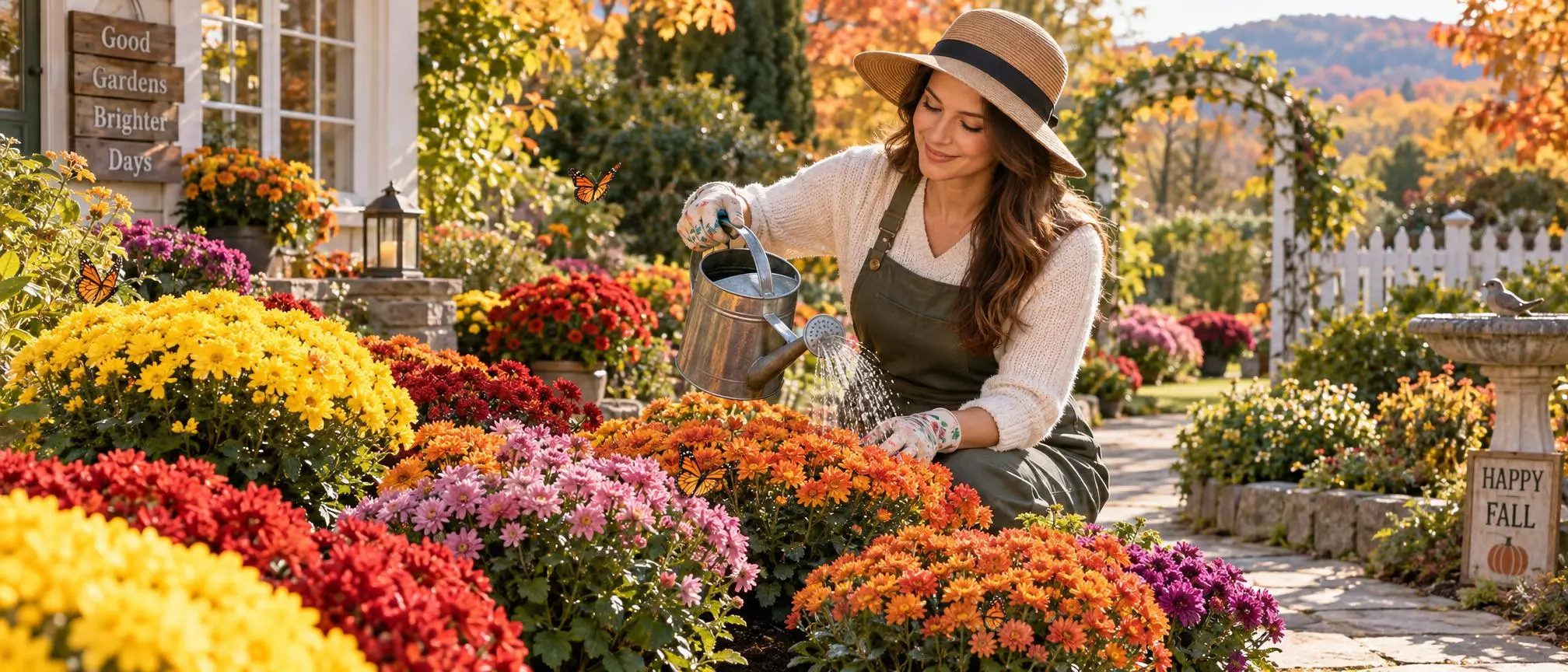

The transition from summer to fall is evident in many ways. Garden flowers start losing their color and the colors of the leaves change from green to brown, yellow and red. Gardeners want to replace these disappearing colors with new ones. One of the best known examples of fall flowers is mums (or chrysanthemums).
These flowering plants have been admired for several characteristics including their round shape, numerous blossoms, and vast range of colors. They can bring life back into the garden at a time when most of the other plants in your garden are finishing up for the year.
The success of growing mums depends upon how well one understands the plants’ fundamental requirements. Their overall look and longevity are affected by sun exposure, drainage of the soil, frequency of watering, and when they were planted.
You will find that whether you have a large backyard or a small patio, taking the time to learn how to properly maintain your mums will allow you to produce an attractive fall arrangement.
What Are Mums?
Mums are a type of flowering plant that belong to the Asteraceae (chrysanthemum) family. These plants are known for having bright and colorful flowers, as well as being associated with fall gardens.
Their blossoms are available in various forms. There are those which resemble a daisy having an exposed center with petals around it. On the other hand there are some that produce very dense, rounded blossoms that appear to be like small decorative pillows.
The majority of garden type flowers grow as small shrubs and are full of flowers. Typically the plant’s leaves are green and the leaf margins can be very unique and lobe shaped.
Mums are popular because they can produce flowers during the latter part of the year. Many types of mums will produce new buds in late summer and early fall as the amount of sunlight decreases each day.
Mums are frequently utilized by gardeners to enhance the look of their flower gardens, border plantings, container gardens, and porches.
Mums are symbols of autumn, but they grow their leaves and roots in spring and summer before producing flowers.
Understanding this growth cycle makes seasonal care easier.
Different Types of Chrysanthemum Plants
The way that different varieties of mums develop in the garden varies considerably. Different types of mums have different development habits, flower shapes and abilities to withstand cold weather throughout the winter.
Most often garden chrysanthemums are grown outside. Some varieties are cold hardy and can live through the winter if they receive the correct type of protection.
Florists grow chrysanthemums for use in displays. The visually pleasing blooms produced by these plants can be used in seasonal arrangements, however, many will not last very long once the weather turns cold enough to freeze.
Flowers also vary in shape. Some flowers appear as simple daisy-like blooms while others can have multiple petals.
There are several color options that include cream-colored white and yellow, as well as darker shades such as bronze, red-wine-colored burgundy, and purple.
Choose flower colors by checking bloom times, mature plant sizes, and your local climate.
Choose local-friendly mums to help them return every year.
When and How to Plant Mums
If you plant mums when they are at their peak for planting, then your plants should develop stronger roots and grow into healthier specimens.
Plant hardy garden types in early spring. This gives their root systems several months to grow before the first freeze.
Choose a suitable garden location with good sunlight and freely draining soil.
To prepare for planting your chrysanthemums, you should have removed all of the weeds from the area that will be used for planting. After removing the weeds, you should gently loosen up the compacted top layer of soil in the same area.
Make sure the hole is big enough to accommodate the whole root ball. The hole needs to be deep enough to hold the entire root ball, and wide enough to prevent from forcing the roots to squeeze into a small space.
The original soil level of your plant must be aligned with the top of the adjacent soil.
Fill the hole with soil, firm it gently, and water thoroughly.
Do not position the top of the root ball too deep, as over-saturation around the base may create problems.
After planting, monitor soil moisture while the roots establish.
Healthy mums benefit from consistent care during their first growing season.
How Much Sunlight Do Mums Need?
The sun is very important for growing strong plants with many blossoms.
Garden mums grow best in locations that provide plenty of direct sunlight. Most garden mums can tolerate 6 hours of direct sunlight every day. This will allow your plants to grow larger and develop more flowers.
If plants are grown under excessive shading, then they will typically develop longer than normal stems, develop weak stems, and/or produce fewer blossoms.
However, conditions vary depending on climate and seasonal temperatures.
In particularly hot regions, some afternoon protection may help reduce stress.
Observe the location throughout the day before choosing where to grow mums.
Seasonal changes alter the length and width of shadows cast by nearby trees, fences, and buildings.
Avoid having your flowering plants placed directly below the bright, continuously lit outdoor lights.
Reliable daylight and natural nighttime darkness will allow mothers to continue their seasonal blooming habits.
Proper Watering for Healthy Flowers
Proper watering is essential when mums are establishing roots or blooming. Check the soil regularly to keep them healthy.
These plants do well in a somewhat moist environment that doesn’t become too wet.
Both severe dryness and excessive moisture can affect root health.
Rather than following a rigid daily watering schedule, check the soil regularly.
Pressing your finger down about one inch into the top layer of dirt should tell you if it needs water. If the dirt is dry, you will likely need to water.
Potted mums dry out faster than ground-planted mums, especially in warm or windy weather.
Water around the base of the plant so moisture reaches the root zone.
Avoid wetting leaves and flowers during humid weather to prevent fungal growth.
Good drainage is equally important.
The lack of adequate ventilation within the soil can result from the presence of standing water surrounding the roots.
The use of consistent and thoughtful irrigation will help your mums produce healthy leaves and seasonal blooms that are visually pleasing.
Best Soil Conditions and Drainage
Healthy soil provides the foundation for successful chrysanthemum gardening.
Nutrient-rich, well-draining soil helps mums thrive while keeping just enough moisture without staying wet.
Some types of clay soils can retain an excessive amount of moisture, and some extremely sandy soils can lose moisture rapidly.
Before you make any changes to your garden, the first thing that you should do is find out what kind of soil you have.
Depending upon the initial condition, organic matter can aid in improving the soil structure.
Good drainage will allow the extra water to drain from the roots, but still maintain enough moisture for plants to grow.
When growing mums in containers, drainage openings are essential.
Allow excess water to drain away instead of pooling on the ground.
Do not over-compact the soil while planting, as plant roots require moisture and oxygen to grow.
Gardeners should also pay attention to the environment around their gardens. Areas that are low enough to collect rain water on a regular basis could be unusable.
The best way to prepare your soil so that your mum develops a more robust root system and can withstand the effects of changes in the seasons better.
Pinching and Pruning for Bushier Growth
Pruning techniques may affect the development of chrysanthemums over the entire course of the growing season.
Young moms can also use pinching to help them grow plants by cutting off the growing tip of a plant’s stem.
This encourages branching, which may lead to larger plants having additional flowering stems.
Gardeners usually pinch mums during active vegetative growth rather than right before flowering.
Timing is important since chrysanthemums require an amount of time to produce flower buds once you shape the plant.
Gardeners must be careful about continuing to pinch mums throughout the summer as doing so may delay or diminish their fall blooming.
The appropriate final pinching date varies with climate and flowering variety.
Removing damaged or diseased foliage can also help maintain plant health.
When pruning your plants make sure to use clean gardening tools so that you do not cause damage to other parts of the plant.
After blooming, do not assume that all foliage must immediately be removed.
In cold climates, leaving the stems on plants until spring can help protect the crown of the plant.
Mums can create a naturally beautiful shape through appropriate timing of gentle care and maintenance.
How to Encourage Beautiful Fall Blooms
The development of flower buds on chrysanthemums is based upon the amount of sunlight received each day.
As the days become shorter, many moms will start to produce flower buds. Therefore, they make great additions to your fall garden.
Healthy root systems, adequate light exposure, and uniform water availability provide support for a plant’s growing buds.
Environmental factors may affect the timing of flower production and the length of time that the flower is aesthetically pleasing.
Unusually warm temperatures can alter bloom schedules, and early frosts can shorten how long flowers stay on display.
Rather than focusing on the blooming season of your mums, focus on maintaining an ideal growing environment for your mums all year long (spring and summer) so that they will produce a lot of flowers.
Avoid major pruning once flower buds are developing.
Faded flowers can be removed from plants to enhance their look. However, this action may not always lead to a new full bloom period.
Different varieties bloom at different times.
By combining early, middle, and late season blooming types you will have a longer period of time that your garden has color.
A well-planned mum planting will create a beautiful fall-flowering display when most of your summer flowers have stopped blooming.
Protecting Mums During Winter
Winter survival is dependent on the ability of plants to survive freezing temperatures (plant hardiness), local climate/temperatures, soil drainage and how successfully roots developed prior to freezing weather.
Hardy garden chrysanthemums can return in most supportive climates, but they do not always survive.
Generally speaking, spring planting gives your plants more time to grow their root systems before winter arrives.
Soil temperature and moisture can also pose issues with poor drainage.
Mulching can provide some control of soil temperatures for established plants in cold climates.
Avoid piling mulch tightly against the crown where moisture could accumulate.
In some areas leaving mum stems attached to plants through the winter can help protect them.
Cold weather can easily damage container-grown plants because their exposed root systems face lower temperatures than plants growing in the ground.
You need to consider both the USDA Plant Hardiness Zone for where you live as well as the special needs of each type of plant when you plan how to protect them from the cold weather.
When spring comes around, check your plants for new growth prior to cutting back last year’s stems.
Because mums will likely not begin to show new growth until the temperature of the soil reaches a level that is conducive to that process, having patience when waiting for them to grow is very important.
Common Problems and Gardening Mistakes
Even relatively manageable flowering plants can experience difficulties.
A very typical issue for mum plants is that they are going to wilt. It could be because the soil is too dry, there are some root issues (damage) or too much water. Therefore, rather than just thinking every wilted plant requires extra watering, it would make sense to check what kind of growing conditions the plant has.
The cause of a yellowing leaf may include: natural aging, poor drainage, nutrient deficiency, or disease.
Lack of adequate light and excessive pruning during the late spring and summer can result in poor flower development.
The crowding of plants will also limit the amount of air flow and may cause several foliage issues.
Healthy mums require enough room for their mature growth habit.
Watch for unusual spotting, distorted leaves, and visible insects.
If your symptoms continue to spread, you should contact a local cooperative extension office or an experienced horticulturist for help.
Avoid using treatments without identifying the likely problem first.
A gardener can avoid numerous common problems with proper watering, proper spacing of plants and regular monitoring of their garden.
Frequently Asked Questions About Mums
Are mums annual or perennial flowers?
Many mums will come back year after year (perennials) if they are planted in the right climate. Some other mums are usually used for seasonal displays. Whether or not your mum will survive the winter depends upon the type of mum, when it was planted, how cold your area gets, and whether your garden has good drainage.
How often should chrysanthemums be watered?
Water when the top of the soil starts to dry, adjusting for the amount of rain, how hot/cold it is outside, how large your pot is, and your specific growth environment. You should never leave your plants’ roots soaked all the time.
Can chrysanthemums grow in pots?
Yes, you can use containers to grow plants. To be successful, make sure your container has good drainage, gets enough sun, and you keep an eye on how much water it needs.
Why are my chrysanthemums not blooming?
Inadequate sunlight, long periods of artificial light at night, late pruning, and/or poor growing environments can disrupt the process of flower development.
Should chrysanthemums be cut back in fall?
No, not necessarily. Leaving the stems of plants that are growing in cold areas during the winter can help provide better protection for those plants. Then, when it is time to cut back on the plant material (the dead/old growth) in the spring, wait until you see the new growth starting to come out before cutting down the old.
Do chrysanthemums need full sun?
Most vegetable plants will grow well with 6 or more hours of full sun each day. If you live in an area that gets very warm in the summer, you might want to consider protecting your vegetables from the strongest part of the day’s heat.
Conclusion
Growing gorgeous fall blooming plants starts with knowing how they grow naturally and giving them the proper care they need all year long.
In order for a plant to grow properly, each step of the growing process (soil prep, planting, watering, sun exposure, pruning, and winter protection) is important for maintaining healthy plants.
Mothers who give their gardens consistent care, and have realistic goals for what they can achieve with their gardens, can develop beautiful flower arrangements that will be an enjoyable way to participate in the growing seasons of outdoor gardening.