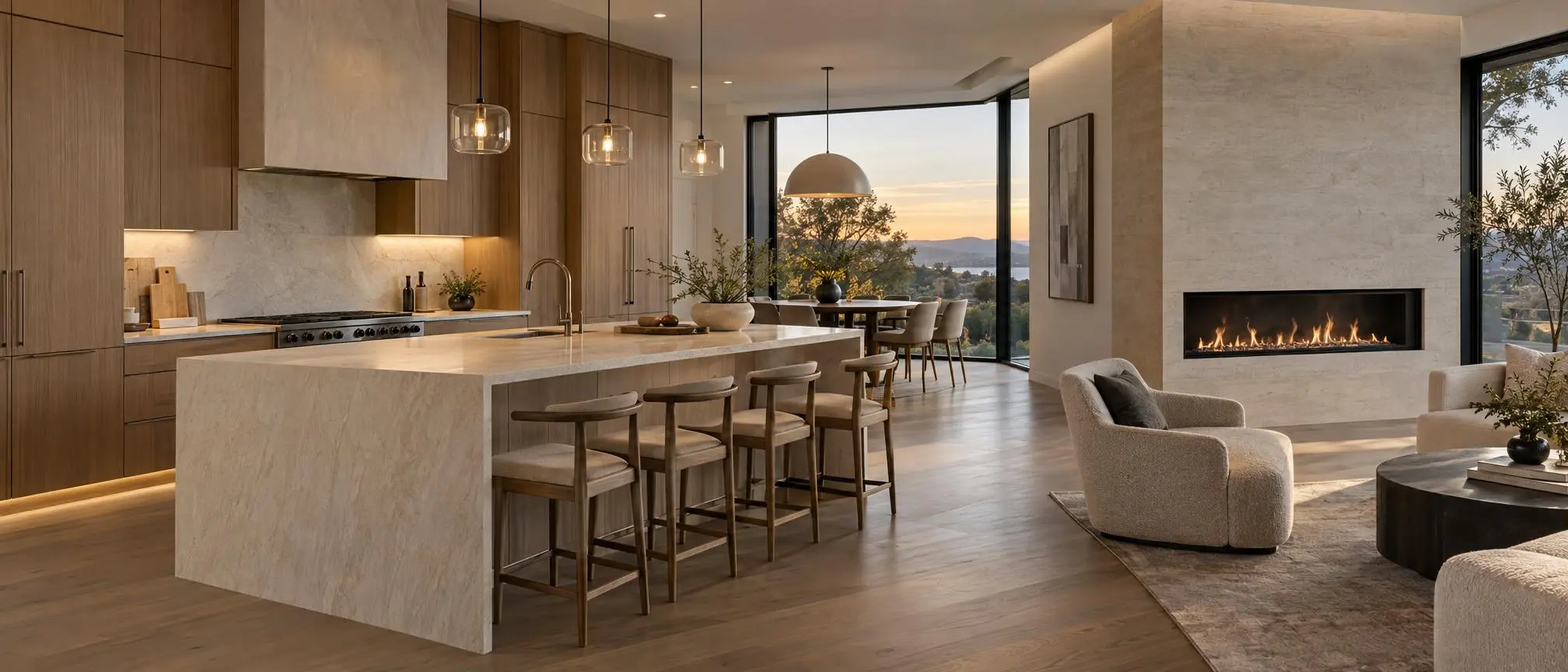

Looking for the best modern fireplace ideas. Modern fireplaces create an impact on what you think about your home due to its ability to bring in heat, provide some visual interest, and serve as a central focus. Previously, most fireplaces were located in the living room; however, with proper placement/installation, fireplaces can enhance the overall appearance of a kitchen or other open-concept space.
Modern fireplaces are available in many different styles (i.e. wall mounted, free-standing, built-in) which can alter the appearance of your room. You can also select to utilize artificial or natural stone when designing the surround for your fireplace. Furthermore, depending upon how your room is laid out, you might be able to place your fireplace so that it becomes the focus of attention. Therefore, you have several choices available to you to design a unique and visually appealing fireplace that is both practical and fashionable.
Good design isn’t solely dependent on scale and/or drama. It should complement the architectural features of the home, be appropriate for the size of the space available, and meet the requirements of the family. The aforementioned are especially true when designing a kitchen, as these factors must take into consideration such elements as ventilation, food preparation, adjacent finishes/materials, and safety clearance.
The manual provides an overview of ten different options for interior design, how to choose the right materials, and offers advice on creating a harmonious and comfortable home.
1. Minimalist Modern Fireplace Designs
Modern fireplace constructed with a minimalistic design approach provide a visually stimulating focal point within a room but do not overwhelm the surrounding space. Minimalistic interior designs use basic forms, clean lines, and minimal materials.
A contemporary fireplace with a plain rectangular opening on a flat wall is a popular modern design choice. Homeowners can customize the surrounding wall finishes. For instance, you can apply neutral plaster, add textured stone, or choose colors that match your existing cabinetry and furnishings.
Avoid over-decorating around the fireplace opening. Using a simple color palette and scale that is proportional to your fireplace will bring attention to the fireplace.
Simple styling is most effective when a kitchen has simple, straight-line cabinets with a soft finish. To maintain the simple style, create a clean and organized kitchen.
On the other hand, the simple nature of installing a fireplace doesn’t diminish the need to make sure your fireplace works correctly. When installing a fireplace you have to install it so that it functions as intended. You need to provide enough ventilation for the style of fireplace you choose. You also need to leave enough space around the fireplace as per the manufacturer’s directions.
2. Linear Fireplaces for Contemporary Interiors
Linear Fireplace – The Perfect Combination for Modern Architecture Horizontal linear fireplaces are long and horizontal in their shape, making them a very natural match for today’s contemporary architectural styles. In addition, horizontal linear fireplaces can enhance the utilization of long walls, open floor plans, and other horizontal architectural features.
A linear fireplace may be what you need if you are looking for an element of design in your home that can act as a center of attention, while appearing to be built into the fabric of the home.
A large rectangular frame can be used to connect multiple visual elements within a given area. For example, if you have two areas that share a wall, like your living room with a fireplace and your kitchen with an island; the frame would help make the transition from one space to the next fluid while still allowing each space to retain its own identity.
The final appearance of the surround depends upon what is needed for installation. You may use various types of materials (e.g. stone, plaster, tile) to obtain this result.
Your fireplace height depends on viewing angles. Place it higher if seated guests need a direct view, or lower if viewers are standing in an open room.
How large the item is is not as important as its relative proportions to all of the other components within the room (walls, furniture, etc.) and the overall architecture.
3. Natural Stone Fireplace Surrounds
Natural stone adds depth, visual interest, and a raw feel to a space. It can provide either a subtle backdrop for other design elements or a strong focal point in a room, depending on the type of stone used and the finish applied.
Homeowners looking at modern fireplace options have a way of combining natural qualities of stone with contemporary styles.
Light-toned stone can create a nice combination with light-toned cabinets and lightly colored wall treatments. On the other hand, a darker stone will provide a greater contrast, and stone that is visibly textured will create more of an interesting look than if it were un-textured.
A stone surround also connects different zones in an open-plan home. You can achieve visual continuity by matching natural hues on nearby countertops or decorative surfaces, provided the materials suit each area.
Consider how a finish will appear in both direct sunlight and under artificial lighting before selecting a finish. Stone with texture produces different shadows as the sun moves across the sky; whereas, polished stones reflect more light.
Always check if your fireplace materials suit the required temperature resistance and installation rules.
4. Fireplaces With Concrete or Plaster Finishes
Concrete and plaster finishes give homeowners a clean, geometric look with subtle texture. Both finishes create smooth surfaces that let the fireplace stand out as the main focal point.
These finishes complement modern cabinets, natural wood, and limited colors. A softer atmosphere may be created through use of warm gray, beige, and off-white finishes on the surrounding area.
When choosing contemporary fireplace design options for an open-plan kitchen, a single, uninterrupted wall treatment will allow your fireplace to appear as part of the rest of the room.
The appearance of the product will depend on the material selected for the project and on the type of application. Certain finishes will exhibit motion and/or texture, whereas other finishes may appear relatively consistent throughout. Viewing samples in the same environment as the intended use can assist you with understanding how the color of the sample reacts to various types of lighting.
Avoid ordinary decorative coatings near a functioning fireplace. Heat-resistant construction materials and manufacturer instructions will help you choose safe options for the fireplace opening.
5. Double-Sided Fireplaces for Open-Plan Homes
A double sided fireplace allows for viewing from both sides of the fireplace. This setup allows for connection of a kitchen to a dining space or living area, yet still allows for separation of each zone visually.
This setup suits modern open-plan homes where people want to stay connected while doing separate tasks.
The installation of a thoughtfully designed fireplace located in-between a kitchen and a living room allows for a common focal point. The kitchen maintains its functionality, however, the area adjacent to the kitchen becomes an individual space to relax.
Adding a double-sided fireplace involves more than standard installation. You must evaluate structural factors, proper flue venting, heat exposure, and maintenance access.
Before creating an opening into a wall, you should understand how that wall will function. Whether the proposed layout is possible can depend upon load-bearing construction, electrical services, plumbing and ventilation routes.
It’s necessary for professional planning so we can make sure the installation works well for each room without any problems.
6. Compact Fireplace Designs for Small Spaces
Small rooms can easily accommodate a fireplace. Just ensure the design does not block walkways, storage spaces, or work areas.
Recent fireplace designs fit onto walls with limited space without covering the entire wall like conventional models.
A dining room located next to a kitchen can often have greater functionality than the main cooking space. This type of layout will allow you to move easily from preparing meals to relaxing after eating.
Wall-integrated designs reduce the visual bulk of free-standing structures. However, building types and installation rules determine if you can use them.
When you are designing an environment, keep it simple. If you use few colors, have easy-to-use pathways, and plan your lighting well; then you can create balance within a relatively small space.
Do not decrease the clearance required for safety when installing a fireplace within an area. When the size of the area where you want to place the fireplace is insufficient for proper installation, look at alternative sites to locate your fireplace, or install a non-combustible decorative piece.
7. Modern Fireplaces With Wood Accents
The addition of wood creates a feeling of comfort and creates visual interest in today’s modern interior designs. The organic patterns found in wood help create a softer appearance when used against more industrial materials like stone, concrete, metals, and smooth painted surfaces.
Wood accents help you coordinate your fireplace with natural finishes like cabinetry and dining furniture.
If your fireplace surround is neutral, and you have oak cabinetry or a wooden dining table nearby, repeat those tones. This keeps your design consistent without matching every single piece.
The quantity of wood used in your room matters. Small accents of wood will provide a cozy, welcoming atmosphere to the room, however, large amounts of wood paneling may cause the room to look heavy.
Keep the fireplace clearance zone completely free of combustible materials like wood. Do not add decorative mantels, cabinets, shelves, or panels strictly for decoration.
You must consult both your installation manual and local building code when choosing where to install a flammable finish.
8.Electric Fireplaces and Decorative Flexibility
Because electric fireplaces use no combustible fuel, they offer great visual freedom. Some models create a flame effect without heat, while others provide both flames and heat.
The difference between these two types of fireplaces will help some families who are looking into new designs for fireplaces. This is especially true if they want to create an atmosphere rather than provide more heat.
You can install an electric fireplace on a modern feature wall or near a seating area, provided the setup follows all safety rules and manufacturer guidelines.
You should not automatically believe that all electric fireplaces can be put in just any location. In order to have a recessed installation there may need to be a certain size of wall, a certain amount of space for ventilation, a power source, or other things.
Kitchens require careful planning. Consider your heat equipment, water exposure, cooking grease, and electrical circuits before placing a fireplace.
Base your placement on the product’s installation needs rather than looks alone. A professional installer can verify if your layout meets building requirements.
9. Fireplace Styling With Lighting and Color
Room lighting and colors greatly affect how people view a fireplace. An ordinary feature looks completely different under a soft evening glow compared to a bright, sunny day.
Today, many fireplaces are designed as decorative features. There is often a contrast used in designing fireplaces to make them visually interesting. One example of this would be using a black frame around a white wall which will stand out visually; however, if you have a neutral frame on a wall of an understated room, then the frame will blend in with the walls.
Lighting and Cohesive Color Schemes
Match your room lighting to your everyday activities. For example, install bright task lighting over kitchen cooking areas, but use softer lights near seating spaces to create a relaxing environment.
Decorative lighting should not be placed where it will block the required clearance spaces or allow light fixtures and cabling to experience excessive temperatures.
Use consistent colors to tie your fireplace into the rest of your home. You can repeat a color scheme from your kitchen cabinets, floors, or furniture so the space flows while keeping each area distinct.
Test your finish samples under the same lighting as your installation area. This prevents unexpected differences between your sample and the final result.
10. Fireplace Safety and Practical Planning
Planning a fireplace around the fuel source, installation requirements, and how you plan to use it should precede making any decorative choices.
Wood-burning and gas-burning fireplaces will normally require adequate ventilation systems, however, electric versions will require alternative installation requirements. There are some other forms of combustion-based designs which will also have some limitations as to how and where they may be operated.
In regards to kitchens, it is worth paying special attention to how the fireplace, cooking equipment, extraction systems, and flammable cabinets relate to each other.
Just because a fireplace installation in an island, under a counter top, or next to a cooking surface appears to be a good design option, do not assume that it is safe to do so. All types of fireplace installations must be verified with the manufacturers requirements as well as any relevant local codes.
Besides providing easy access for maintenance, cleaning, and safe operation, you must equip working fireplaces with proper smoke and carbon monoxide protection.
The optimal design incorporates safety considerations at the beginning of the planning process. By doing so, you can prevent yourself from changing a completed design due to the fact that you have missed some critical aspects of your design (such as clearances, ventilation, or structural integrity) when you began developing it.
How to Choose the Right Fireplace Design
Selecting the appropriate type of modern fireplace from among the numerous types available will become much easier once you determine how well each can complement the design of your existing area.
Assessing Your Home’s Layout and Heating Needs
First, you must determine how the fireplace will impact your home. For example, is the fireplace intended to serve as a backup heating option? Do you anticipate that the fireplace will provide a visually appealing center of attention for at least one of the spaces within your home? Are you installing the fireplace so that there can be a connection made between two distinct areas of your home? Or do you plan to use the modern fireplace mainly to establish a certain mood/atmosphere in your home, as opposed to providing consistent heating?
After deciding where to put your cabinetry, check your available wall space, ceiling height, natural light from windows or skylights, and surrounding materials.
Finalizing Materials and Professional Installation
When choosing your kitchen installation site, consider your appliance placement, ventilation, cabinet storage, and how easily you can move around.
A simple illustration will demonstrate how the new opening relates to existing furniture and architectural components of the space. Additionally, consulting with professionals prior to making structural changes to the building could be helpful.
Choose a heating system based on how often you plan to maintain it.
The frequency of maintenance required by different types of systems depends upon both the fuel utilized in the system and the design of the system.
Select a system that aligns with your level of willingness to devote time and energy to providing care to the system.
Choose materials that match your building’s architecture and always follow safety rules when installing a fireplace.
A fireplace designed to be a part of the home’s architecture looks like it was built into the wall from the beginning, rather than as a decorative addition to the wall.
Frequently Asked Questions
What makes a fireplace design look modern?
Many contemporary designs use simple geometric forms like stone, concrete, plaster, and metal. They integrate smoothly into larger architecture for everyday use.
Can a modern fireplace be installed in a kitchen?
Suitability of a location for installation of a fireplace may depend on the type of fireplace, building construction, ventilation system, distance between the fireplace and other items in the room, and on local regulations. A professional who has experience with fireplaces will assess the feasibility of installing a fireplace at a particular location.
Are linear modern fireplaces suitable for open-plan homes?
Because wide linear designs have plenty of horizontal area, they suit open-plan spaces, large walls, and modern layouts. Your choice depends on your room size and installation needs.
Can an electric fireplace operate without heat?
Some electric fireplaces feature a “flame-only” setting which allows you to view the flames without generating additional heat. As with all products, please take time to review the manufacturer’s manual and product specifications.
Which materials work well around a fireplace?
Many materials suit modern fireplaces, depending on the fireplace type, heat output, installation method, and manufacturer rules. Acceptable options include natural stone, certified tiles, metal, and other fire-rated building materials.
How can I incorporate a fireplace into a small kitchen?
First, assess your room size and check if an adjacent space better suits a seating arrangement. Also, never compromise safety clearances, storage, or walkways to install a fireplace.
Does a modern fireplace require professional installation?
In order for most long term installs to be completed correctly, you will require skilled professionals. There is no exception to this rule when it comes to installation of gas lines, flues, alterations to your home/property, or any electrical work. You must always adhere to applicable codes and follow the manufacturers instructions for installation.
Conclusion
A properly installed fireplace can provide heat, visual interest, and architectural character to a contemporary residence. Many variables can affect the type of design that works best for a particular setting. These include: the size of the room; the preferred materials used; the functional needs required; and the purpose intended for the fireplace.
You can use a fireplace in various ways, such as a minimalist opening, a linear design, a natural stone surround, or a double-sided wall installation. In a kitchen or open-plan home, always watch your ventilation, cooking habits, flammable items, and safety clearances.
Choosing the right finish helps you create a cohesive, balanced design that fits your home’s theme while remaining functional, safe, and comfortable for everyday use.