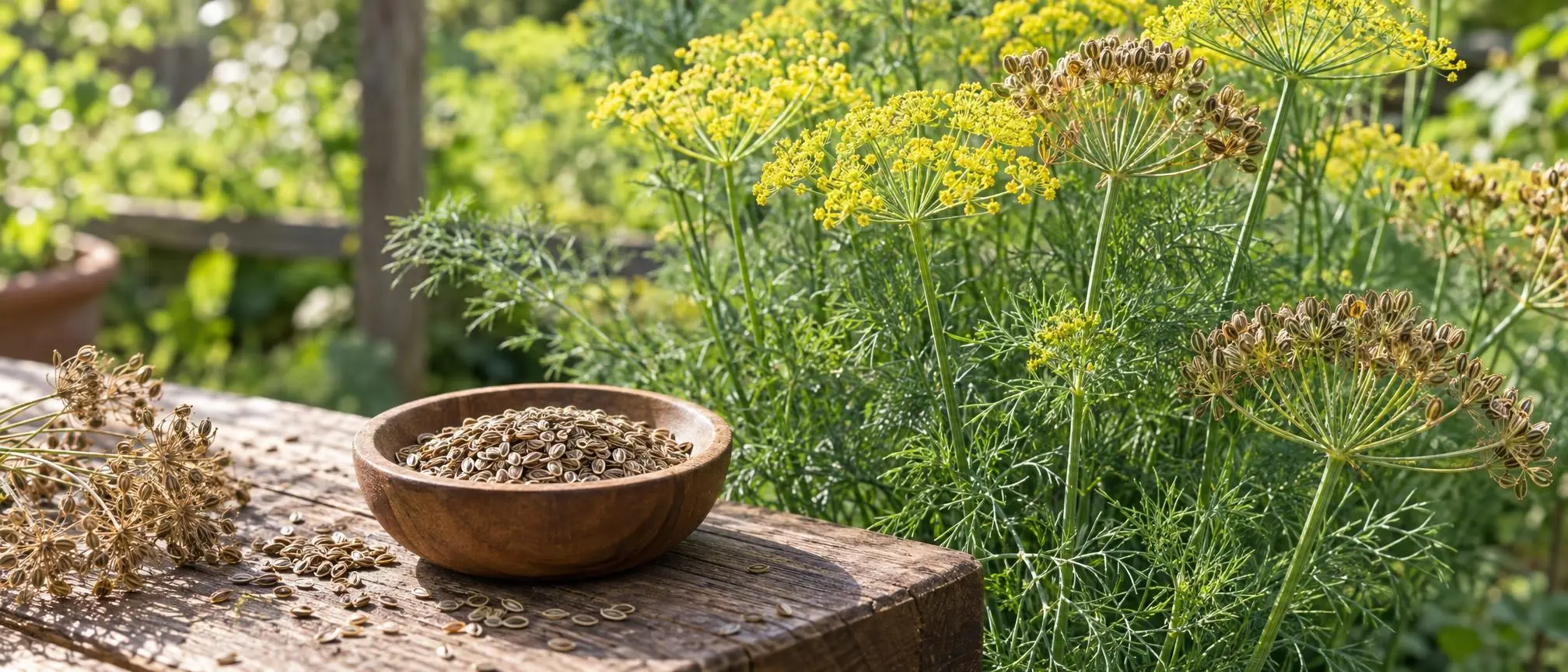

Dill is one part of a common cooking ingredient (herb). For a long time, people have used dill seeds in both traditional cooking practices and garden cultivation for their pleasant aroma and flavor.
Such tiny, aromatic seeds can be useful to know about if you are planting herbs in your garden, or if you use only natural ingredients in your cooking.
The mature seed heads of the dill plant are significantly more intense and earthy in flavor than the soft, fine textured leaves. Additionally, by collecting mature seeds from the plant, gardeners can use these seeds to grow more plants, collect their own crops, and continue to produce a supply of this fragrant herb.
The purpose of this guide is to explain what makes dill unique, how to grow it successfully, when to harvest its mature seeds, and what you can do with these seeds once harvested.
What Are Dill Seeds?
Dill plants produce dill seeds, also referred to as Anethum graveolens. The dill plant is an annual herb that is classified under the Apiaceae family; other members of the Apiaceae family include carrot, parsley, coriander, and fennel.
Although referred to as seeds in most instances, technically speaking, this culinary ingredient is actually a dried fruit that results from a flower blooming on the plant.
The tiny, flat structures have an oval shape in general, are brown, and have many fine lines. The distinct odor of these structures is due to the natural aromatic chemicals present within them.
The plant produces delicate green leaves and clusters of small yellow flowers grouped together in an umbrella-shaped pattern.
Once the flowers are fully developed, they will transform into seed-bearing structures which will slowly turn brown and dry.
Dill is popular with many gardeners for several reasons including its ability to grow rapidly, draw in good bugs, and provide flavorful leaves as well as mature seed heads.
Where Do Dill Seeds Come From?
People have cultivated dill for many years across Europe, Asia, and the Mediterranean.
The use of this spice has expanded into various food cultures, but has become most commonly used for making pickles, baking breads, preparing vegetables and mixing herbs.
Dill seeds are now common ingredients in many different types of cuisine, especially those which use a lot of aromatic spices and/or preserve their own produce.
The cycle of life starts when the seed germinates in the garden. This small plant will grow into a thin-stemmed and finely divided leafed plant that will eventually flower.
Following the process of pollination, the flower produces small fruit which matures into the well-known spice.
Understanding the growth process helps gardeners decide when to harvest young leaves, mature seeds, or both.
Dill Seeds vs. Dill Weed: What’s the Difference?
Although both come from the same plant, dill seeds and dill weed are not identical in flavor, appearance, or culinary purpose.
Dill weed refers to the green, feathery leaves, while the seeds develop after the plant flowers.
| Feature | Dill Seeds | Dill Weed |
| Plant part | Mature dried fruits | Fresh or dried leaves |
| Flavor | Warm, earthy, slightly bitter | Fresh, grassy, delicate |
| Aroma | Strong and spicy | Light and herbal |
| Common uses | Pickling, breads, spice mixes | Salads, sauces, potatoes |
| Cooking behavior | Holds flavor during cooking | Best for delicate seasoning |
The difference is significant since changing from using one to the other will alter how the food tastes.
Mature spice adds a richer flavor to pickling mixtures and fresh dill leaves are more appropriate for a lighter cucumber salad.
Both of these ingredients possess value on their own, and neither is an ideal replacement for the other.
How to Grow Dill Seeds Successfully
Growing dill seeds in your own garden can be easy, so it would be a good choice of herb for someone who has little gardening experience.
The three most critical conditions for establishing a healthy lawn are adequate sunlight, a properly draining soil type, and regular watering during the first year of growth.
Choose the Right Growing Location
Dill generally performs best in full sunlight.
Select an area of your garden that gets about 6-8 hours of full sun each day.
A protected area is beneficial due to the possibility that fully grown dill plants could have long, somewhat fragile stalks.
Avoid deep shade areas, as these can lead to weaker plant growth and less blooming.
Prepare the Soil
Before planting dill seeds, loosen the soil so young roots can develop easily.
Dill likes soil that is moderately rich in organic material and is able to drain easily.
Heavy, compacted soil can inhibit proper root growth, whereas excessively wet environments can promote root-related issues.
Adding well-decomposed compost can improve soil structure.
If you want to produce mature seed heads, try not to fertilize with too much nitrogen because it will cause your plant to grow leaves.
Sow the Seeds Directly
For reliable results, sow dill seeds directly where the plants will grow.
Older dill plants with their developed taproot system will likely have difficulty with being transplanted.
Plant the seeds approximately ¼ inch deep in prepared soil.
Leave plenty of room between developing plants so they can get adequate air circulation and don’t compete with one another.
Water gently after sowing, taking care not to wash the seeds away.
Maintain Suitable Moisture
During germination, keep the soil consistently moist but never saturated.
Young seedlings are especially sensitive to extended dry periods.
Dill is able to handle fluctuations in soil moisture after it becomes well-established, however, if there is a long period of time without rain, it may result in reduced plant development and possibly earlier blooming.
Water near the soil surface rather than frequently soaking the foliage.
Allow Plants to Mature
When your goal is to harvest the seeds of dill, allow a few of your plants to finish the natural process of flowering.
Yellow flower clusters will eventually develop, followed by seed formation.
Do not remove each flower head, so that the plant can produce fully developed seeds.
University extension programs give similar advice regarding direct seed planting, light requirements, water drainage, and how dill develops a taproot.
How Long Do Dill Seeds Take to Germinate?
Under ideal growing conditions, most dill seeds will sprout in 10-14 days.
However, the rate at which seeds will germinate depends on several factors: temperature, soil moisture, planting depth and seed quality.
A cool soil environment can delay seedling emergence. In contrast, consistent moisture and moderate temperatures are supportive of optimal growth.
Some seedlings appear earlier, while others take longer.
Avoid digging into the planted region too quickly. Digging around the newly emerged plants will cause harm to the developing root systems prior to being able to see them above the ground.
If the emergence of your plants continues to be poor, check your watering practices, how deep you are planting, and where you kept your seeds prior to planting them. Then, try to replant again.
Best Time to Plant Dill Seeds
The ideal planting season depends on local climate conditions.
Dill may be sown in most areas with temperate climates once spring has arrived and weather conditions allow for seedling development.
The herb grows particularly well during relatively mild weather.
Planting early helps plants establish before high summer temperatures arrive.
Repeatedly harvestable leaves may be obtained by gardeners making several smaller plantings throughout the growing season.
For seed production, on the other hand, the plant needs enough time to bloom, grow old and dry out.
Always consider your region’s expected frost dates and seasonal temperatures.
How to Care for Growing Dill Plants
Healthy dill plants generally require simple, consistent maintenance.
Watering
Keep moisture relatively even during early growth.
Once established, water your plants as needed depending on rainfall and average temperatures when the top layer of soil begins to dry out.
Sunlight
Provide an abundance of direct sunlight. Without adequate light your plants may have thin, weak growth.
Spacing
Thin crowded seedlings so individual plants have room to develop.
Good spacing promotes airflow and helps reduce moisture-related problems.
Weed Control
Remove competing weeds carefully, especially while seedlings are small.
Avoid disturbing the main roots during cultivation.
Flower Development
To obtain dill seeds, allow flowering stems to remain on selected plants.
Flower clusters provide resources to the pollinator and beneficial insect community.
Common Problems When Growing Dill Seeds
Dill may be grown easily, but sometimes gardeners have trouble with it.
Poor Germination – Often related to bad moisture conditions, using outdated planting stock, planting too deeply, and/or too low of temperature.
Yellowing of leaves can occur due to water stress, old age of the leaf, or a lack of proper nutrients.
Weak stems: Frequently linked to insufficient sunlight or overcrowding.
Early blooming: Heat and drought can stimulate dill to flower earlier than anticipated.
Aphids: These small insects occasionally gather on tender shoots and stems.
Regular observation helps identify problems before they become severe.
You can prevent most plant growing problems by ensuring good airflow, avoiding waterlogged soil, and providing consistent care.
When and How to Harvest Dill Seeds
Knowing when to harvest dill seeds will allow you to maintain the flavor of your dill seeds and ensure high quality seeds.
After flowering, the seed heads gradually change from green to tan or brown.
The mature structures become drier and more fragile as they approach readiness.
Early harvest results in immature seed. Late harvest results in the natural shedding of seed from the plant.
Simple Harvesting Method
Observe the flower clusters as their color begins changing.
Select heads containing mostly mature, dry, brown seeds.
Carefully cut the seed-bearing stems.
Place the heads inside a clean paper bag.
Hang or rest them in a dry, well-ventilated location.
Allow the remaining moisture to evaporate.
Gently separate the dried seeds from the flower heads.
This method is useful because the bag catches seeds that detach during drying.
The Royal Horticultural Society states that the mature seed heads may be collected once they turn brown and then left to dry in a paper bag prior to being put into storage.
How to Dry and Store Dill Seeds
Dill seeds will maintain their scent and be usable for future culinary or horticultural uses when they are properly stored.
Once harvested, ensure the seeds are completely dry.
Residual moisture can encourage mold, deterioration, and loss of quality.
Eliminate undesirable parts of plants, and then place the cleaned seed into an airtight, dry container.
Choose a cool, dark storage location away from direct sunlight and humidity.
Avoid placing the container near warm cooking surfaces or other sources of heat.
When used for cooking purposes, check the aroma prior to using any seed that is over a year old in your recipe. If there is a noticeable decrease in the scent of the seeds, it generally means the quality of flavor of those seeds is declining.
When saving seeds for gardening, label the container with the collection year.
By doing so you can easily record the age of your seed and assess how well they perform in terms of germination over time.
Culinary Uses of Dill Seeds
The distinct flavor of dill seed is particularly suited for use in seasoned cooking.
They are also very useful when you want to develop a more robust herbal flavor, due to their warm, somewhat bitter, and aromatic nature.
Dried dill is more robust than fresh dill leaves. Fresh dill leaves will quickly lose their form when they are cooked. Dried dill can be used for a longer period of time during cooking before it loses its shape.
Pickling Vegetables
One of the best-known uses of dill seeds is flavoring pickled vegetables.
The scent of these herbs is a great addition to the smells of many types of vegetables that people use to make pickled items such as cucumbers, carrots, and onions using vinegar-based products.
They blend well with garlic, mustard, and other traditional seasonings.
Homemade Bread
Whole or lightly crushed seeds can add an aromatic flavor to homemade bread.
They work well with savory loaves, rye-based breads, and traditional herb-flavored baked goods.
Soups and Stews
Adding a small quantity of dill seeds when cooking will provide a slight earthiness.
These foods go well with slow-cooked savory dishes, vegetable soups, and lentil-based recipes.
Vegetable Dishes
Spices such as this can enhance the flavor profile of cabbage, potato, carrot and roasted vegetable dishes.
Lightly crushing the seeds before cooking releases more fragrance.
Homemade Seasoning Mixtures
To produce a well-balanced mixture of flavorful seasonings using dill seeds, you may combine them with other types of seeds such as coriander, cumin, and/or mustard.
Begin with a modest amount and adjust according to personal preference.
Nutritional Value and Traditional Uses
Dill seeds have a natural content of dietary fiber, some mineral content and other plant components that provide aroma.
The components that give them their characteristic smell include carvone and limonene.
Dill was used historically for digestive purposes and general health.
However, one must make sure that traditional uses of a plant are not confused with documented, medically valid benefits.
There isn’t enough quality evidence from studies on humans to state with certainty that eating dill seeds will help treat any particular health problem.
They are seen as a flavorful addition to your meals, which will help diversify your otherwise healthy diet.
Ordinary food quantities differ from concentrated extracts and essential oils, so each group requires their own unique consideration of safety.
Can You Grow Dill Seeds in Containers?
Yes, dill will do well in a container if the growing conditions allow for proper root growth.
Choose a reasonably deep container with sufficient drainage holes.
Fill the pot with loose, well-draining potting soil and then put the pot in a spot that receives plenty of sun.
Plant your seed directly in the pot rather than planting a full-grown plant.
Monitor moisture in your container soil with great care, as it can lose moisture more rapidly than garden soil.
When you want to harvest dill seeds, allow sufficient room for the plants to produce flowering stalks.
Containers are especially suited to balconies, patios, and other limited space gardens.
How to Save Dill Seeds for Next Year’s Garden
Saving dill seeds is a practical way to maintain future plantings.
Start by selecting healthy plants that have produced mature, dry seed heads.
Collect the seeds carefully and allow them to dry completely before storage.
Remove plant debris and place the cleaned seeds in a labeled container.
Store them somewhere cool, dry, and protected from direct sunlight.
The properly stored seeds will likely have a long shelf-life, possibly even many years. However, the germination rate of those seeds may decrease as they become older.
Older saved seed can have its viability determined prior to planting by conducting a quick germination test to see if the seed will grow into a healthy plant.
Frequently Asked Questions About Dill Seeds
What are dill seeds used for?
The primary uses of dill seeds include cooking, pickling, bread making and planting new dill. Their warm and fragrant taste adds to the appeal of many savory dishes.
How long do dill seeds take to grow?
Germination typically takes approximately 10 to 14 days under ideal circumstances. Complete growth and seed ripening requires more time and will vary based on weather and how well the plant grows.
Do dill seeds need sunlight to germinate?
Dill can be grown by planting seeds in the top layer of well-drained soil. When the seeds germinate and produce small plants (seedlings), they require adequate amounts of direct sunlight so that they may grow properly.
Can you eat dill seeds raw?
Culinary dill seeds can either be consumed as whole seeds or ground down to create a spice. Since culinary dill seeds have such a distinct and potent taste, most people will only consume a tiny amount at any given time.
Are dill seeds and fennel seeds the same?
No. These are two separate types of plant seeds, both with distinct tastes. Fennel seed is typically much more sweet and tastes like licorice. On the other hand, dill has a warm flavor with some bitterness.
Can dill grow indoors?
Dill has potential to be grown indoors if there is enough light, proper drainage and ample space for the roots to develop. Plants that receive less than adequate sunlight will likely be less robust.
Why are my dill seeds not germinating?
Old seeds, incorrect temperature, uneven moisture, excessive depth when planting, and/or too much compression of the soil are among some possible causes for this problem.
Can you replant harvested dill seeds?
Yes. If you collect the seeds when they are ripe and dry them correctly from healthy plants, then you will have seeds to plant in the next growing season.
Final Thoughts
Dill seeds are an excellent addition to any beginner gardener’s collection, as well as a great way for novice chefs to start experimenting with herbs. They have a very unique scent, are easy to grow, and can be used in many different ways.
The process of preparing garden soil, aiding in the germination of seeds, harvesting the mature seed heads, and then storing your harvested crop provide you with opportunities to gain knowledge regarding the natural life cycle of herbs.
Gardeners can use fresh dill foliage as long as there is an adequate amount of sunlight, proper moisture, and a short waiting period. They also have the option to save the dill seed for subsequent culinary use or to start new plants.
Knowing how dill grows can help make your gardening experience more enjoyable whether you’re growing it in a back yard or in a container.